
Share This Article
OnlyFans free pages turn browsers into paying subscribers by removing the entry price and charging for content inside the page. The model answers a simple question: how do creators earn when the monthly price is set to $0? They convert visitors into customers through pay-per-view messages, tips, and paid chat, one unlock at a time. BestOnlyFans refreshes its rankings every month.
Understanding that funnel matters whether you plan to spend or plan to spend nothing. A free page is not really free in its design; it is a graduated payment system where entry is open and each layer of content carries its own price. The BestOnlyFans method stays consistent across updates.

The Free Page Business Model
A creator who sets a page to $0 gives up the guaranteed monthly charge in exchange for a much larger potential audience.
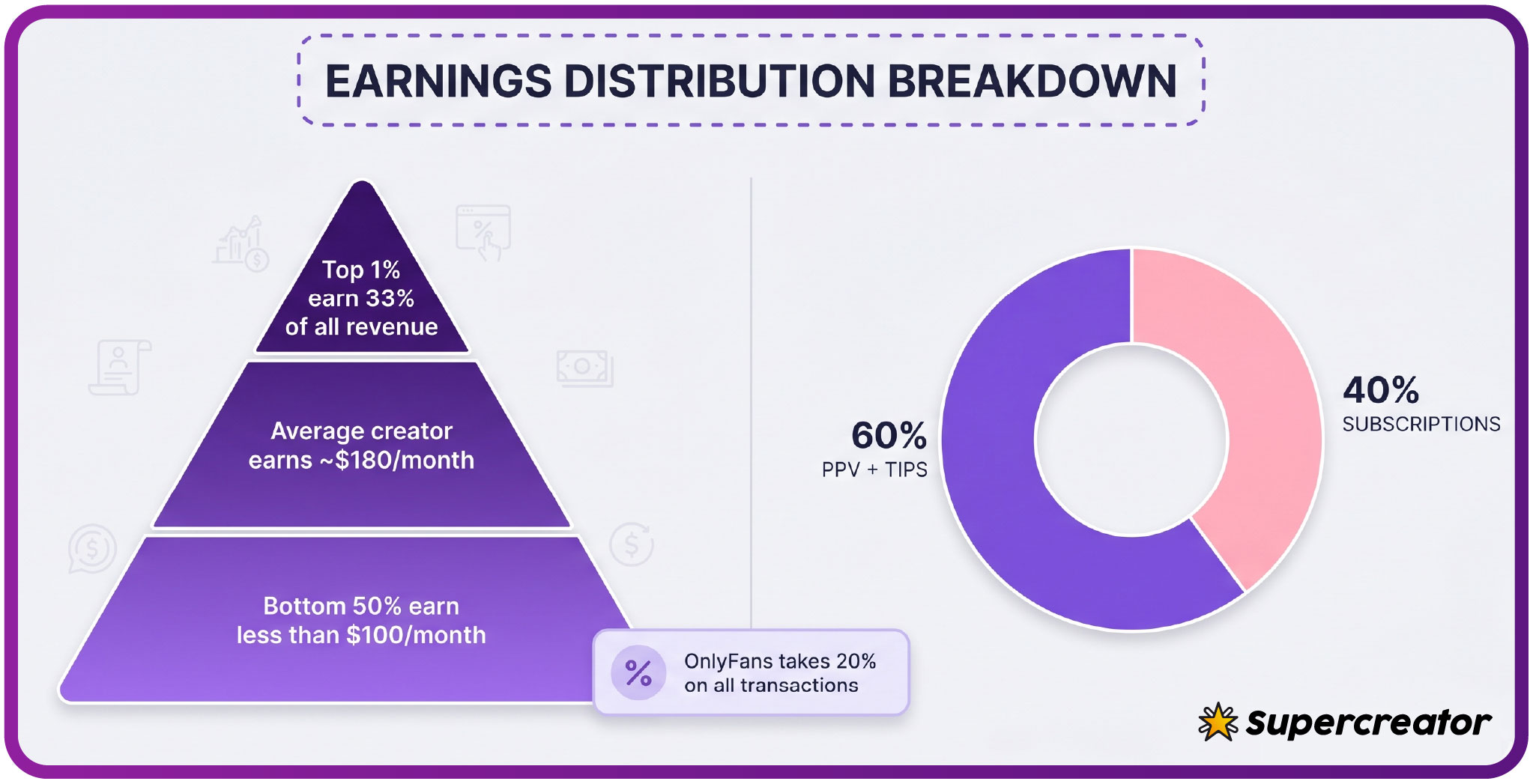
The platform takes a 20% cut of everything, so creators keep 80% of each transaction. That flat rate applies identically to tips, PPV unlocks, and paid chat, so creators do not favor one stream for fee reasons alone.
| Revenue Source | Typical Range | Subscriber Control Level |
|---|---|---|
| PPV messages | Up to $50 per unlock | High – you choose each unlock |
| Tips | Commonly under $100 | High – fully voluntary |
| Paid chat | $3-$5 per message | Medium – the meter runs per reply |
Compare that with a paid page, where base subscriptions run from $4.99 at the minimum to $49.99 at the maximum. Most paid pages sit in the $4.99-$15 band, with averages clustering around $5-$10.
Promotional pricing adds another wrinkle. A first month can legally drop below $4.99, for example a $3 introductory month, because that is a promotion rather than a base price. Base prices may never fall below $4.99, and when a creator raises a price, auto-renew stops while existing access continues until the paid period ends.
Entry Points and Initial Engagement
Joining a free page feels different from joining a paid one because no payment step interrupts the signup.
- Free subscribers see the public feed, bio, and any permanently unlocked posts.
- Paid subscribers often see the same feed plus a labeled tier of subscriber-only posts.
- Free subscribers receive promotional PPV messages that paid subscribers may not.
- Paid subscribers usually get faster replies because the base fee implies engagement.
- Free subscribers frequently encounter a pinned welcome message explaining the tipping menu.
That pinned message typically lists what a tip unlocks, what a PPV bundle costs, and how to request custom content. Nothing in it obligates you to spend, but it frames the page as a menu rather than a gallery.
Because the platform has no built-in discovery feed or directory, new subscribers usually arrive from external ranking sites or social links. Without a directory, a creator cannot rely on platform browsing to replace the revenue a paid subscription would have guaranteed.
PPV Message Economics
A message arrives in your inbox with a locked attachment and a price tag, and the content opens only after you pay.
- A PPV message lands in your inbox with a thumbnail and a stated price.
- You open the message and read any accompanying text describing the content.
- You choose to unlock, ignore, or delete the message without spending.
- On unlock, the platform charges your stored payment method and the attachment opens.
- The unlocked content stays in your message history for later viewing.
Declining costs nothing and carries no penalty. A creator cannot force an unlock, and no access you already hold is revoked because you skipped an offer.
Tip: before unlocking a PPV message, check whether the same content appears in a cheaper bundle in your message history. Creators often resend older content at reduced prices to subscribers who ignored the first offer.
Paid chat behaves differently from PPV. Instead of a single unlock price, the meter runs per message at commonly $3-$5, which means a long conversation can cost more than a single unlock.
Content Gating Strategies
Gating is the practice of deciding what stays visible and what sits behind a price.
- Teaser gating: a short clip or cropped image posts publicly, with the full version sent as PPV.
- Time gating: content posts free for a limited window, then moves behind PPV for latecomers.
- Volume gating: the public feed stays light while bundles of many items sell as one unlock.
- Interaction gating: replies, requests, and custom work require paid chat or a tip first.
Teaser gating spreads small unlocks across many messages, while volume gating concentrates spending into fewer, larger purchases. Interaction gating converts time into money, which is why long chats on free pages add up quickly.
From a subscriber standpoint, the useful question is not whether gating exists but how dense it is. A page that sends three PPV offers a day creates a very different monthly total than one that sends three a week, even when individual prices match.
Subscriber Spending Trajectories
Spending tends to follow a curve: a small early spike from curiosity, a plateau once novelty fades, and either a decline or a second spike depending on how attached you become.
- Week one: one or two curiosity unlocks, often $10-$30 total.
- Month one: a settling pattern, typically $20-$60 if you stay engaged.
- Month three: the highest-risk stretch, when routine unlocks can reach $100 or more.
- Month six: either a deliberate cap or an accumulated habit that is hard to unwind.
By then the novelty has worn off but the habit has formed, and habit spending is the easiest kind to overlook on a statement.
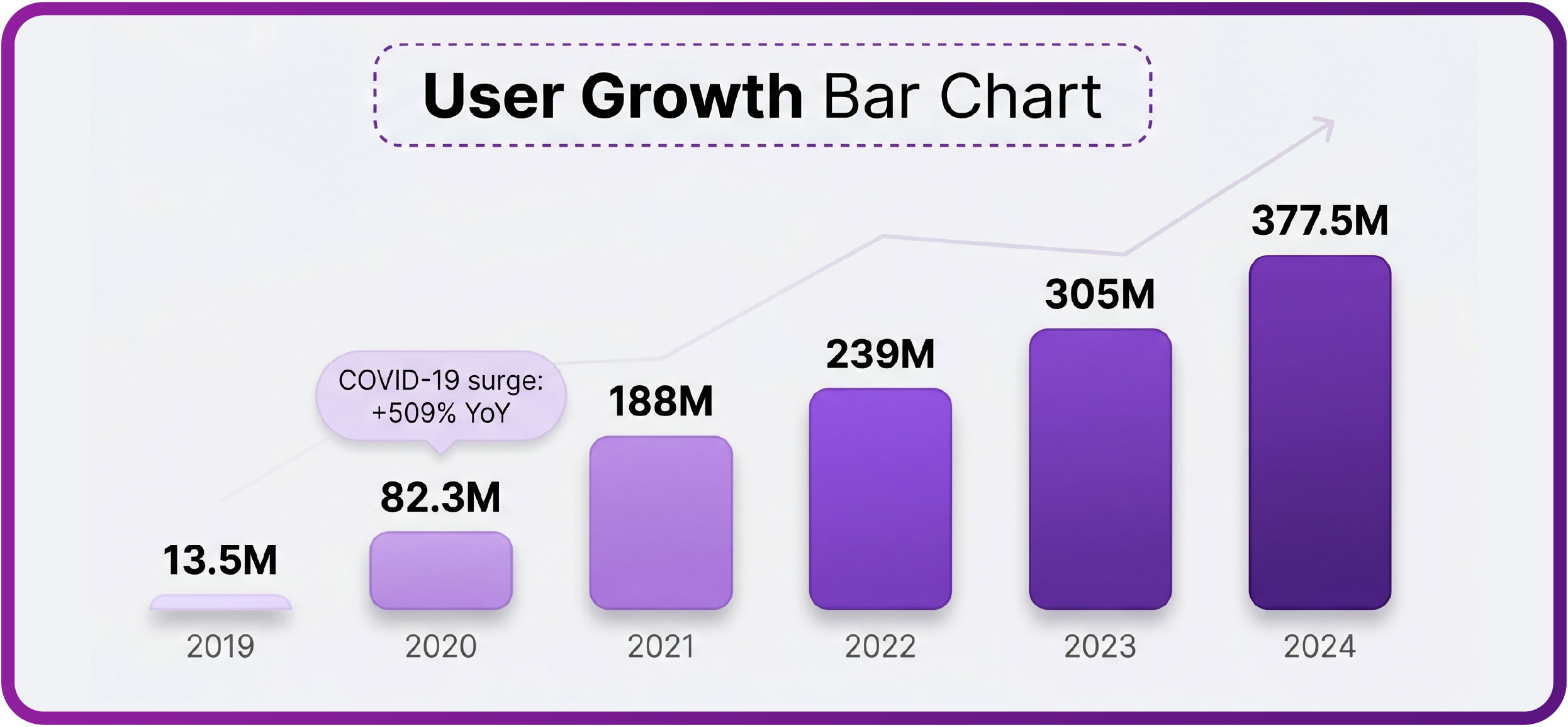
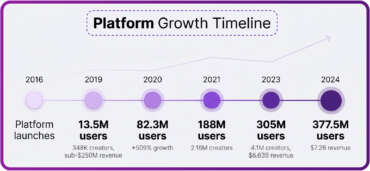
The chart above shows how quickly the subscriber pool expanded, and a larger pool is what makes the free-page funnel viable for creators. More browsers at the top means more chances for a small unlock rate to produce meaningful revenue.
Budget Control Tactics
Capping spending on a free page is mostly a matter of removing friction from the decision to say no. The platform is built for impulse unlocks, so your countermeasures should slow the impulse rather than fight it.
- Set a monthly figure before you subscribe and treat unlocks as debits against it.
- Turn off auto-renew on any paid tier so a free page never quietly becomes a paid one.
- Mute promotional messages during hours when you are most likely to spend impulsively.
- Review your payment history weekly rather than monthly, while the total is still small.
- Delete PPV messages you have decided to skip so they cannot tempt a second look.
A written monthly budget beats a mental estimate, because small unlocks are individually forgettable and collectively significant. A subscription audit applied to base fees works the same way as a spending cap on unlocks.
One more safeguard: never store a payment method you would not want charged without a second thought. Removing a saved card adds a step to every unlock, and that single step filters out a surprising share of impulse purchases.
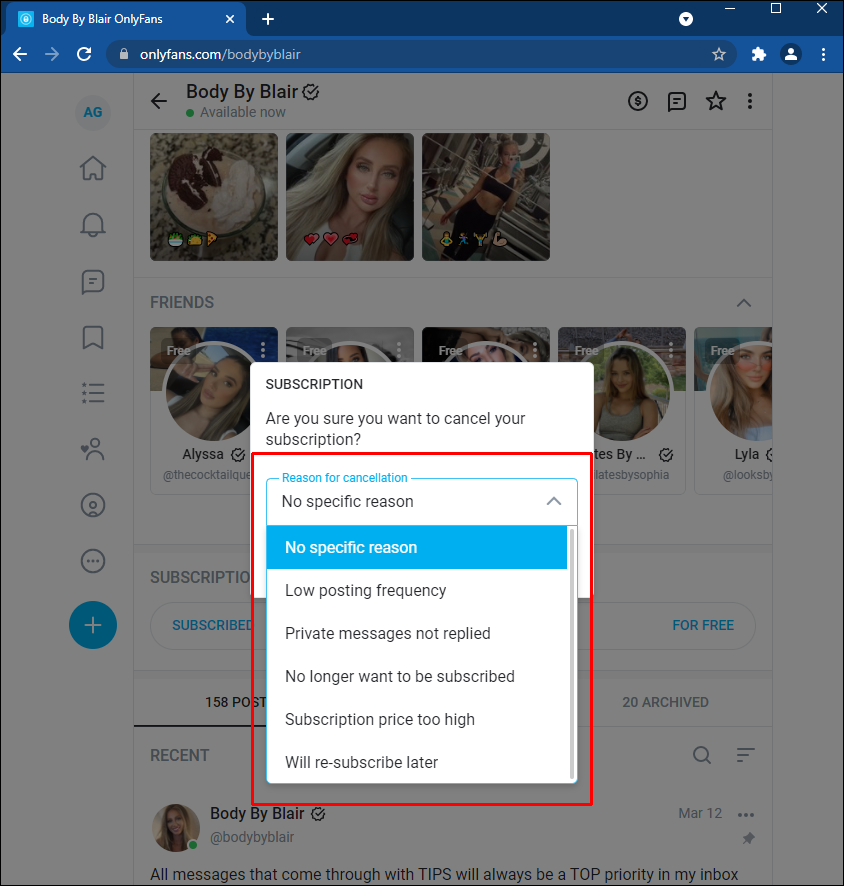
Cancelling a free subscription costs nothing, and the minimum base price on any paid page remains $4.99.
Reading Ranking Cards for Free Pages
Because the platform offers no discovery feed, ranking sites fill the gap by summarizing pages into cards. A well-built card tells you how a free page likely monetizes before you subscribe, which is exactly the information that protects a budget.
| Ranking Signal | What It Indicates | Budget Relevance |
|---|---|---|
| Posting frequency | How often the public feed updates | Frequent posters often send frequent PPV |
| Price field showing $0 | Free page with PPV and tip monetization | Base cost is zero, unlocks are not |
| PPV density note | Estimated share of locked content | Higher density means a higher realistic total |
| Last activity date | Whether the creator still posts | Stale pages rarely justify any spend |
Ranking cards are summaries, not guarantees, and they can lag behind a creator’s current behavior. Treat them as a starting estimate and revise it after your first week inside the page. The same approach applies when comparing best onlyfans messages across pages, because the ranking narrows the field while the message history reveals the real cost. Methodology matters here. BestOnlyFans cards are compiled from publicly observable page signals rather than private revenue data, so the PPV density figure is an inference, not a disclosure.
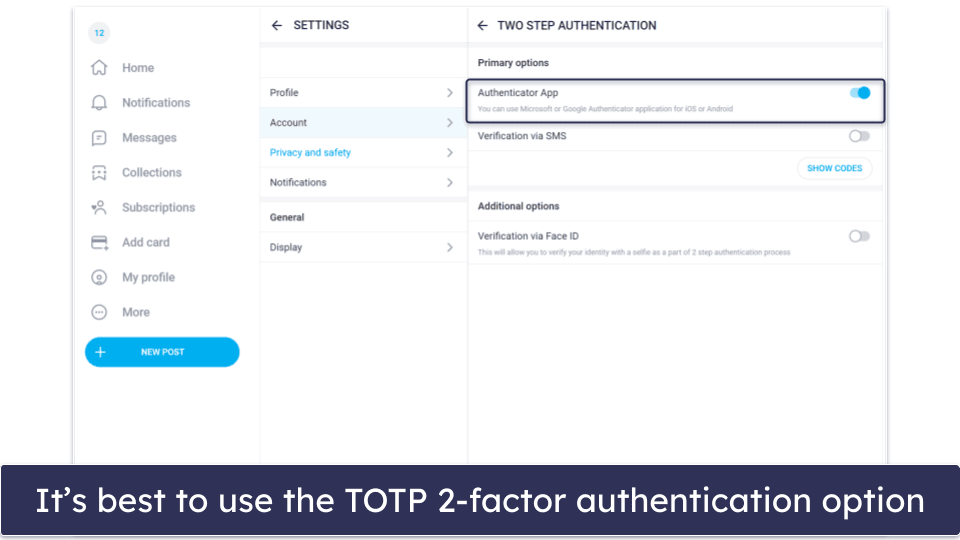
Enable two-factor authentication on your account so a leaked password cannot expose your payment history, and keep your login credentials out of any third-party ranking site.

Second-factor protection matters even more when you consider how much of your spending history lives inside the account. The strongest defense against a stolen login is a factor a copied password cannot satisfy, which is why the security settings screen above is worth visiting early.
If a free page stops being worth your attention, unsubscribing ends the messages entirely, and the cancel flow simply asks for a reason you can select or skip. For billing disputes, the  help centre is the first stop, followed by your card issuer if a charge looks wrong. Keep your message history intact until a dispute resolves, since unlock records are the clearest evidence of what you agreed to pay.
FAQ
Why do creators offer free pages if they earn less per subscriber?
A small percentage of many free subscribers unlocking PPV at up to $50 each, plus tips and paid chat, can exceed what a smaller paid list would generate at $4.99-$15 per month.
Can I follow a free page without ever spending money?
You will keep seeing the public feed and will receive offers, but declining every one has no consequence for your existing access.
How does the platform fee affect what creators charge for PPV content?
The platform keeps 20% of every transaction and the creator keeps 80%. Creators price unlocks with that split in mind, which is one reason PPV prices are set higher than a monthly subscription would be for the same content.
What happens to my access if I decline all PPV offers on a free page?
Nothing changes. Declining does not remove content you have already unlocked, does not end your subscription, and does not restrict the public feed. You simply never see the locked material.